Cortisol, Stress, And Gains

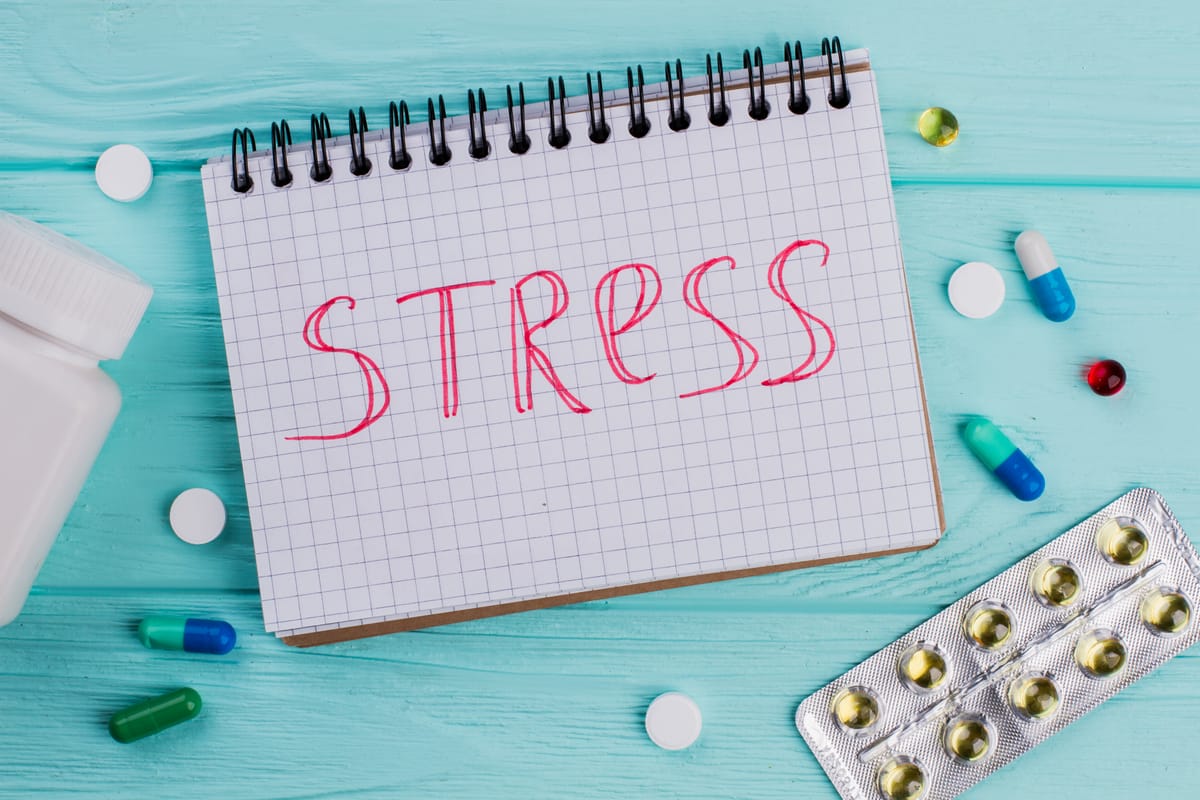
The Unseen Saboteur in Your Fitness Journey
Let's have a real chat. You're doing everything right. You're hitting the gym consistently, you're tracking your macros, and you're chugging protein shakes like it's your job. But for some reason, the progress has stalled. The scale isn't budging, your lifts feel heavy, and you're just... tired.
Sound familiar? If you're nodding your head, you might be overlooking a silent gain-killer that has nothing to do with your workout split or your diet.
We're talking about stress. And its notorious partner-in-crime, cortisol.
So, What Exactly Is Cortisol?
First off, cortisol isn't the villain it's often made out to be. Think of it as your body's built-in alarm system. It's a steroid hormone that helps you wake up in the morning, gives you a jolt of energy in a 'fight or flight' situation, and even helps manage inflammation.
It's absolutely necessary for survival.
Here's the catch: your body can't tell the difference between being chased by a bear and being stressed about a work deadline, a traffic jam, or a tough workout. It just pumps out cortisol.
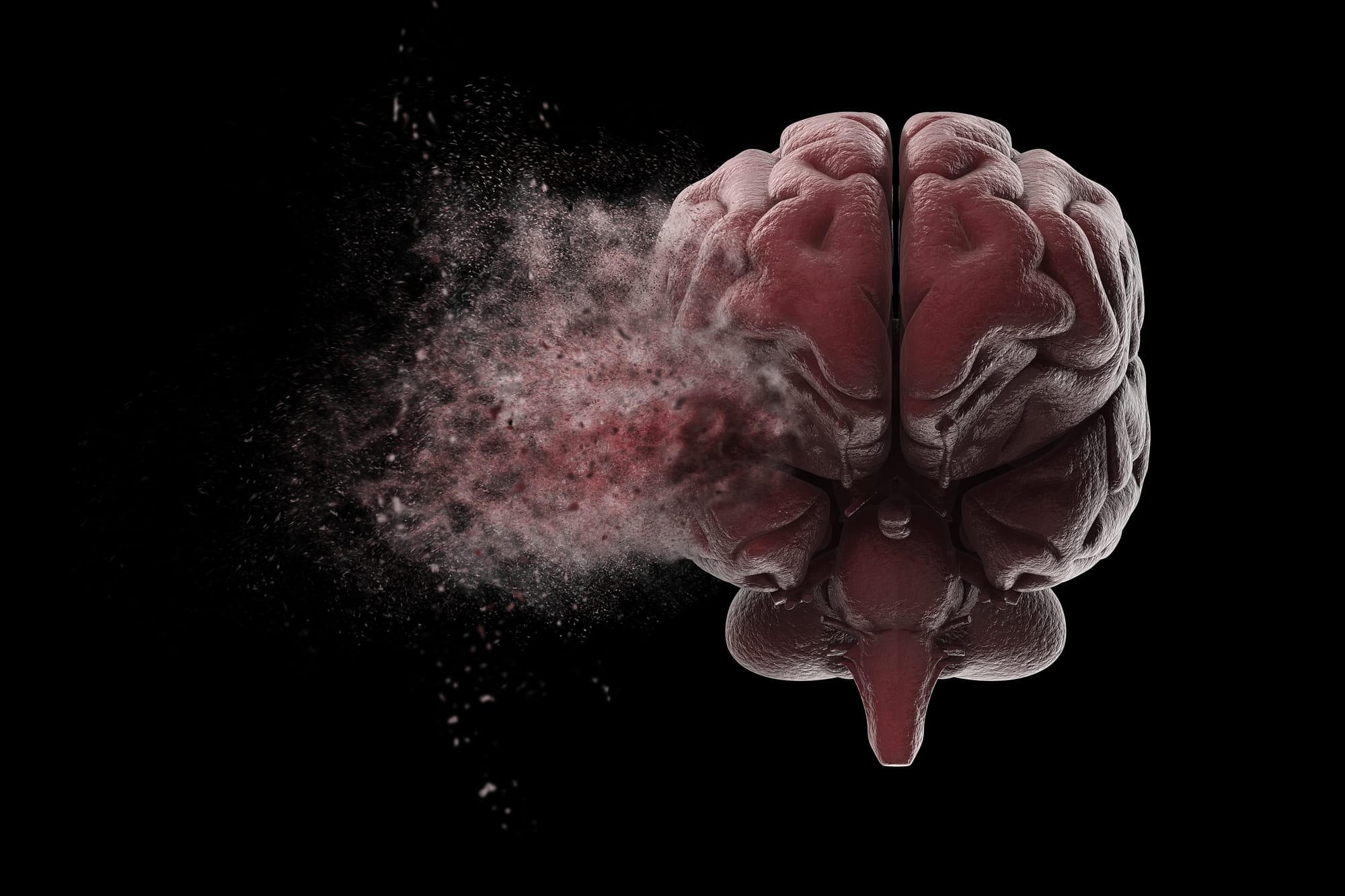
When that stress becomes chronic-meaning it's always there-that's when the problems start. Your alarm system gets stuck in the 'on' position, and your fitness goals pay the price.
How Chronic Stress Wrecks Your Gains
When cortisol levels are constantly high, it's like trying to build a house during an earthquake. It just doesn't work. Here's why:
1. It's Catabolic (The Muscle-Wrecker)
Your body has two main states: anabolic (building up) and catabolic (breaking down). Building muscle is an anabolic process. Chronically high cortisol, on the other hand, is catabolic. It tells your body to break down tissue-including your hard-earned muscle-to use for energy. Ouch.
2. It Messes With Your Hormones
High cortisol can interfere with other critical hormones. It can suppress testosterone production, which is a key player in muscle growth for both men and women. It can also disrupt your sleep, which tanks your body's production of growth hormone-another essential part of the recovery and muscle-building puzzle.
3. It Encourages Fat Storage
Ever heard of 'stress belly'? It's a real thing. High cortisol has been linked to increased storage of visceral fat, the stubborn kind that hangs around your midsection. It also cranks up your cravings for sugary, fatty foods, making it even harder to stick to your nutrition plan.
Are You Running on Stress?
Sometimes we're so used to being stressed that we don't even notice it. Does any of this ring a bell?
- You feel 'tired but wired' all the time.
- Your sleep is garbage, no matter how early you go to bed.
- You're getting sick more often than usual.
- Recovery between workouts takes forever.
- You're irritable and have a short fuse.
If you're checking off these boxes, it might be time to manage your stress as seriously as you manage your training.

How to Tame the Cortisol Beast
Okay, so how do we fix this? It's not about eliminating stress entirely-that's impossible. It's about managing it better. Here are a few simple things that can make a huge difference:
- Smart Training: More isn't always better. Overtraining is a massive physical stressor. Make sure you're scheduling rest days and deload weeks. Listen to your body!
- Prioritize Sleep: This is non-negotiable. Aim for 7-9 hours of quality sleep per night. Make your bedroom a dark, cool, screen-free sanctuary. Your muscles will thank you.
- Chill Out, Seriously: Find something that helps you unplug. It could be a 10-minute walk outside, meditation, deep breathing exercises, or just listening to music. You don't have to become a zen master-just find what works for you.
- Fuel Your Body: Avoid massive blood sugar swings by eating balanced meals with protein, healthy fats, and complex carbs. Don't starve yourself! Under-eating is another major stressor for your body.
At the end of the day, your progress in the gym is a direct reflection of your recovery outside of it. You can't out-train a stressed-out body.
So take a breath. It's okay to ease up on the gas pedal. Managing your stress isn't a distraction from your goals-it's a fundamental part of achieving them. You've got this.