Synthetic vs. Natural Vitamins: When Your Body Knows and Rejects the Difference


The Vitamin Lie You've Been Sold
You think a vitamin is a vitamin. A simple chemical formula. You're wrong.
Your body isn't a lab beaker. It's a complex biological system. And it can tell the difference between nutrients from a plant and chemicals from a factory.
Here's the truth: not all vitamins are created equal.
Chemical Structure: The Impostor in Your Cabinet
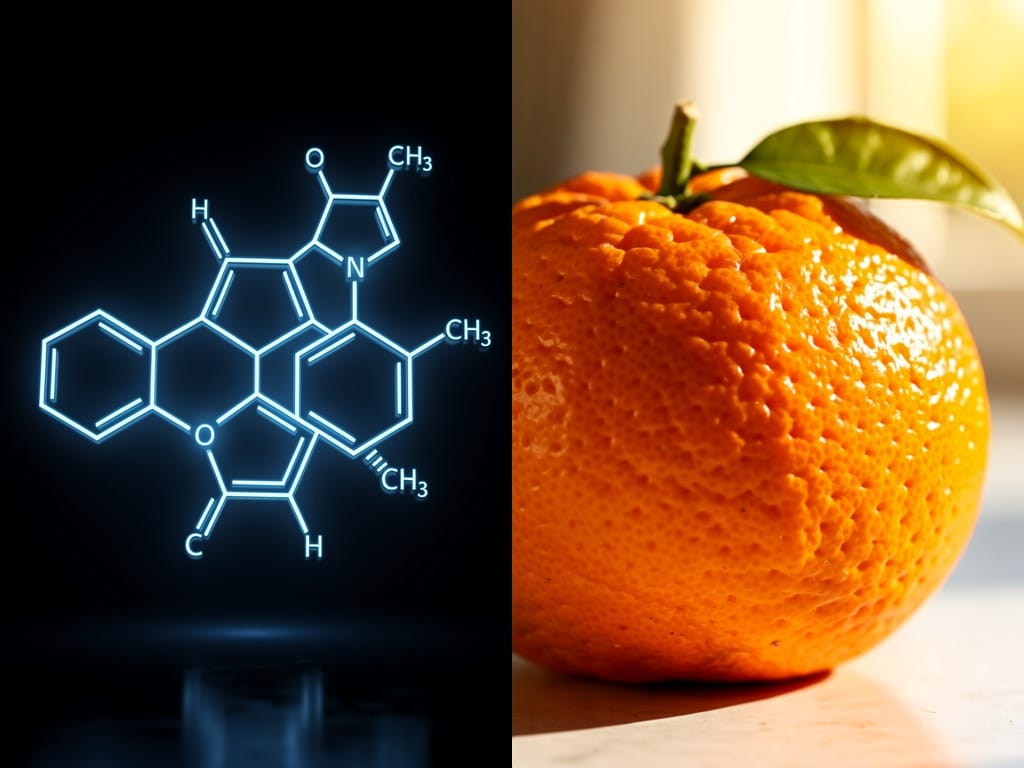
Synthetic vitamins are often called 'nature-identical'. This is a marketing trick. While they might share the same chemical formula, their three-dimensional shape is often different.
Think of it like this. A key can be cut from the same metal and have the same number of ridges. But if one ridge is angled just slightly wrong, it won't open the lock. Your body's cellular receptors are the locks. Many synthetic vitamins are poorly cut keys.
Bioavailability: The Only Number That Matters
Forget the dose on the bottle for a second. The only metric that counts is bioavailability. That's the amount of a nutrient your body can actually absorb and use.
Natural vitamins, derived from whole foods, come packaged with other compounds. Enzymes, co-factors, and phytonutrients. These aren't filler. They are the delivery team, ensuring the vitamin gets where it needs to go.
Synthetic vitamins are isolates. They show up alone and expect to work. Often, they don't. Your body has to work harder to recognize and use them, and much of it gets flushed out.
Real-World Examples: Folate and Vitamin E
Let's get specific.
- Folate vs. Folic Acid: Folate is the natural form found in leafy greens. Folic acid is the cheap, stable, synthetic version. A significant part of the population has a genetic variation (MTHFR) that makes it difficult to convert folic acid into a usable form. For them, it's not just ineffective-it can build up and cause problems.
- Vitamin E: Natural Vitamin E (d-alpha-tocopherol) is a single isomer. The synthetic version (dl-alpha-tocopherol) is a mix of eight different isomers. Your body strongly prefers and primarily uses the natural 'd' form. The other seven are mostly useless.
The Bottom Line: Your Action Plan
So, are synthetics worthless? Not always. They have a place in treating severe, specific deficiencies under medical guidance. But for daily health and performance, they are the inferior choice.
Your body doesn't run on lab reports. It runs on real nutrition. Give it what it recognizes.
Stop wasting money on supplements your body barely uses. Here's what to do:
- Read The Label: Look for vitamins sourced from whole foods. Words like 'food-based', 'from S. cerevisiae', or specific food sources (like 'acerola cherry' for Vitamin C) are good signs.
- Know The Names: Learn the difference between active, natural forms and their synthetic counterparts. Choose 'folate' or '5-MTHF', not 'folic acid'. Choose 'd-alpha-tocopherol', not 'dl-alpha-tocopherol'.
- Prioritize Food First: Supplements supplement. They don't replace a diet rich in fruits, vegetables, and quality protein. Get the foundation right before you build on it.
Your performance depends on it. Train smart. Eat smart. Supplement smarter.