The End of the Iron-Clad Stomach Ache: The Biological Science of Bioavailable Iron

One of the most frustrating paradoxes in clinical nutrition involves the treatment of iron deficiency. When the body's iron stores plummet, the physiological exhaustion is profound, often manifesting as brain fog, heavy limbs, and a complete collapse of athletic stamina. Historically, the standard medical and nutritional response has been the introduction of heavily concentrated, inorganic iron salts.
However, for a vast segment of the population, this biological intervention triggers a cascade of severe gastrointestinal distress. The introduction of traditional iron compounds frequently results in crippling waves of nausea, severe abdominal cramping, and agonizing constipation. For decades, this was simply accepted as the biological cost of treating anemia.
Modern nutritional science, however, views this gastrointestinal collateral damage as an outdated flaw in delivery mechanisms. The pain associated with iron replenishment is not caused by the mineral itself, but by the highly reactive chemical forms historically used in mass-market manufacturing. Understanding the evolution of iron pharmacology reveals exactly why these archaic formulas fail, and how advanced chelation technology has fundamentally changed the landscape of mineral absorption.
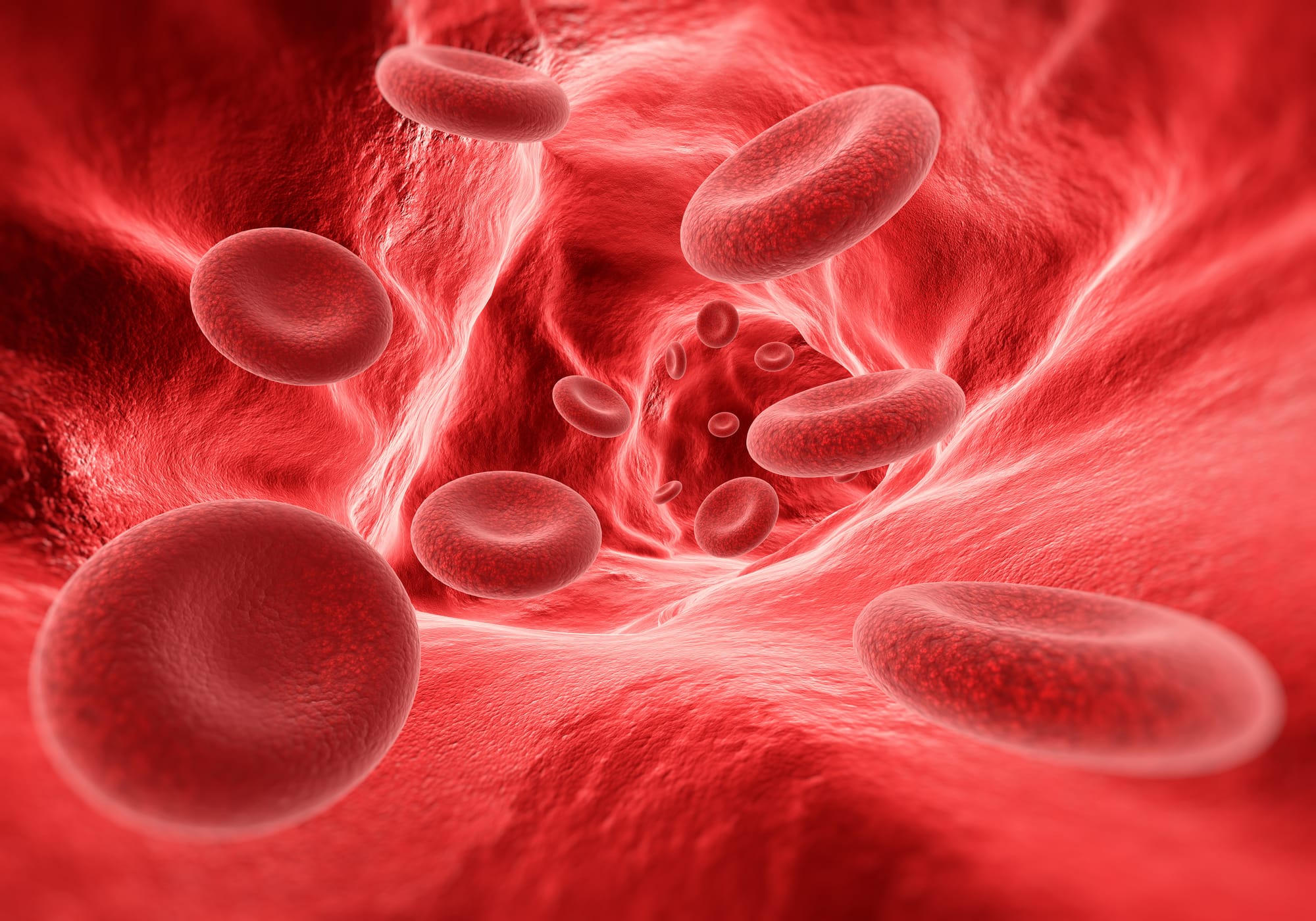
The Oxygen Engine and Cellular Energy
To understand why iron is a non-negotiable element for biological vitality, it is necessary to examine how the human body transports life-sustaining oxygen.
Every single cell requires oxygen to generate adenosine triphosphate (ATP), the universal currency of cellular energy. But oxygen cannot simply float freely through the bloodstream; it requires a dedicated molecular carrier. That carrier is a complex protein called hemoglobin, which resides inside red blood cells. At the exact center of the hemoglobin molecule sits a single atom of iron. This iron atom acts as a biological magnet, binding to oxygen in the lungs and releasing it into muscle tissues and vital organs.
In highly active populations - particularly endurance runners and strength athletes - the demand for oxygen transport is exponentially higher. Furthermore, athletes frequently experience accelerated iron depletion through a process called foot-strike hemolysis (the physical destruction of red blood cells caused by the repetitive impact of running on hard surfaces), alongside trace mineral losses through heavy perspiration.
When baseline iron stores (measured clinically as ferritin) drop, the body physically cannot manufacture sufficient hemoglobin. The entire oxygen delivery system bottlenecks. The cardiovascular system attempts to compensate by elevating the heart rate, but the muscle tissue remains deprived of oxygen, leading to the profound, inescapable fatigue characteristic of iron depletion.
The Gastrointestinal Flaw: The Chemistry of Ferrous Sulfate
If iron is so critical for human energy, the question remains as to why standard formulations cause such intense physical misery. The answer lies in the specific chemical compound utilized by the vast majority of legacy brands: Ferrous Sulfate.
Ferrous sulfate is an inorganic, unchelated salt. From a manufacturing standpoint, it is incredibly cheap to produce. From a biological standpoint, it is highly problematic. When a traditional ferrous sulfate tablet enters the highly acidic environment of the human stomach, the iron molecule rapidly uncouples from its sulfate binding. This leaves "free" iron floating directly in the gastric juices.
Free iron is a highly unstable and violently reactive transition metal. Inside the stomach, it immediately begins oxidizing. This rapid oxidation triggers a phenomenon known as the Fenton reaction, which generates a massive storm of free radicals and reactive oxygen species (ROS). These unstable molecules directly attack and damage the mucosal lining of the gastrointestinal tract, triggering acute localized inflammation and the intense sensation of nausea.
Furthermore, ferrous sulfate possesses a notoriously poor bioavailability rate, often absorbing at less than 10%. The vast majority of the heavy, unabsorbed iron continues down into the lower intestines. There, it actively disrupts the local microbiome and binds with other undigested compounds to form hard, dense complexes in the bowel. This secondary mechanism is the biological driver behind the severe constipation and lower gastrointestinal distress associated with older iron formulas.
The Chelation Solution: The Engineering of Iron Bisglycinate
Fortunately, the science of mineral delivery has evolved far beyond forcing the human digestive tract to process raw, reactive metallic salts. The modern, clinically superior alternative relies on a sophisticated pharmacological delivery system known as chelation.
Chelation is the biochemical process of securely binding a raw mineral to an organic molecule - typically an amino acid - to safely escort it through the harsh, acidic environment of the stomach. In contemporary iron science, the undisputed gold standard of this process is Iron Bisglycinate.
In an iron bisglycinate molecule, the iron atom is firmly clamped between two molecules of the amino acid glycine, creating a stable, neutral, and highly protected ring structure. Because of this stable amino acid shield, the compound does not break apart or ionize in stomach acid. There is no free iron released to cause oxidation, completely bypassing the biological trigger for gastric mucosal irritation and nausea.
Instead, the tightly bound molecule travels safely intact into the small intestine. Here, the intestinal lining recognizes the highly absorbable glycine and pulls the entire intact complex through the intestinal wall utilizing specialized amino acid transport channels, rather than the easily saturated metal transport pathways. Because it leverages this highly efficient biological backdoor, iron bisglycinate boasts a dramatically higher absorption rate, leaving virtually no residual iron behind to cause downstream digestive complications.
The Biological Matrix: Enhancers and Inhibitors
Even when observing highly bioavailable forms like iron bisglycinate, clinical researchers emphasize that iron absorption never occurs in a biochemical vacuum. The mineral is exquisitely sensitive to the other dietary compounds present in the digestive tract during transit.
The most potent biological enhancer of non-heme iron absorption is ascorbic acid, commonly known as Vitamin C. Ascorbic acid functions as a powerful reducing agent. It creates a localized acidic environment in the specific region of the duodenum (the first part of the small intestine) where iron is absorbed, maintaining the mineral in its most soluble, easily transportable state.
Conversely, the human diet contains powerful natural inhibitors that can physically block iron from crossing the intestinal threshold. Phytates (found heavily in grains and legumes) and tannins (the polyphenols that give coffee and black tea their bitter profile) possess a high affinity for iron, rapidly binding to it and trapping it in the gut. Similarly, calcium is the only known dietary mineral that directly competes with iron for the exact same cellular absorption pathways, creating a biological traffic jam at the cellular level.
The evolution of iron from a poorly tolerated, highly reactive salt to a precisely engineered, chelated amino acid represents a major leap in nutritional science. By understanding the underlying biochemistry of absorption, the medical and sports performance communities have fundamentally changed how the human body restores its baseline vitality, proving that biological restoration does not have to come at the cost of gastrointestinal health.
Unlock Better Results From Your Supplements
Join now and receive practical advice on supplements, workout nutrition, and vitamins that support your health and performance.