The Great Electrolyte Debate: Salt vs. Fancy Formulas

Alright, let's talk. You just crushed a workout. You're sweaty, tired, and feeling pretty darn good about yourself. You reach for something to rehydrate, but then you pause.
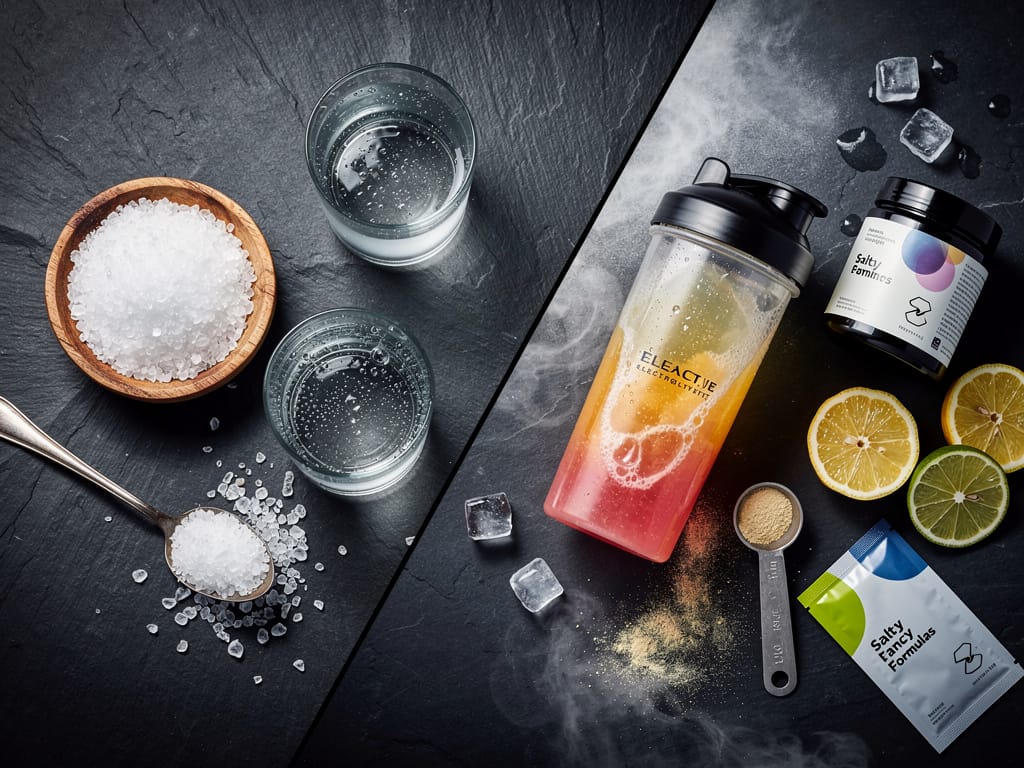
In one corner, you've got a cabinet full of brightly colored, super-expensive electrolyte powders. In the other, you've got a simple salt shaker. What's a person to do?
It feels like a huge debate, but I'm here to tell you it's simpler than you think. Let's break it down, friend to friend.
So, What Exactly Are Electrolytes?
Before we get into the fight, let's make sure we're on the same page. Forget the complicated science jargon for a second.
Think of electrolytes as tiny, electrically-charged minerals in your body. The big players are sodium, potassium, and magnesium. Their job? They're basically the managers of your body's hydration, helping direct water where it needs to go. They also help your muscles contract and your nerves fire properly. Pretty important stuff.
When you sweat, you're not just losing water. You're losing these essential minerals, too. That's why just chugging plain water sometimes isn't enough, especially after a really tough session.
The Case for Good Ol' Fashioned Salt
I know what you're thinking. 'Salt? Isn't that supposed to be bad for you?'
Well, for someone sitting on the couch all day, maybe. But for you? The person who's actually moving and sweating? It's a different story. The main electrolyte you lose in sweat is sodium, which is one half of table salt (sodium chloride).
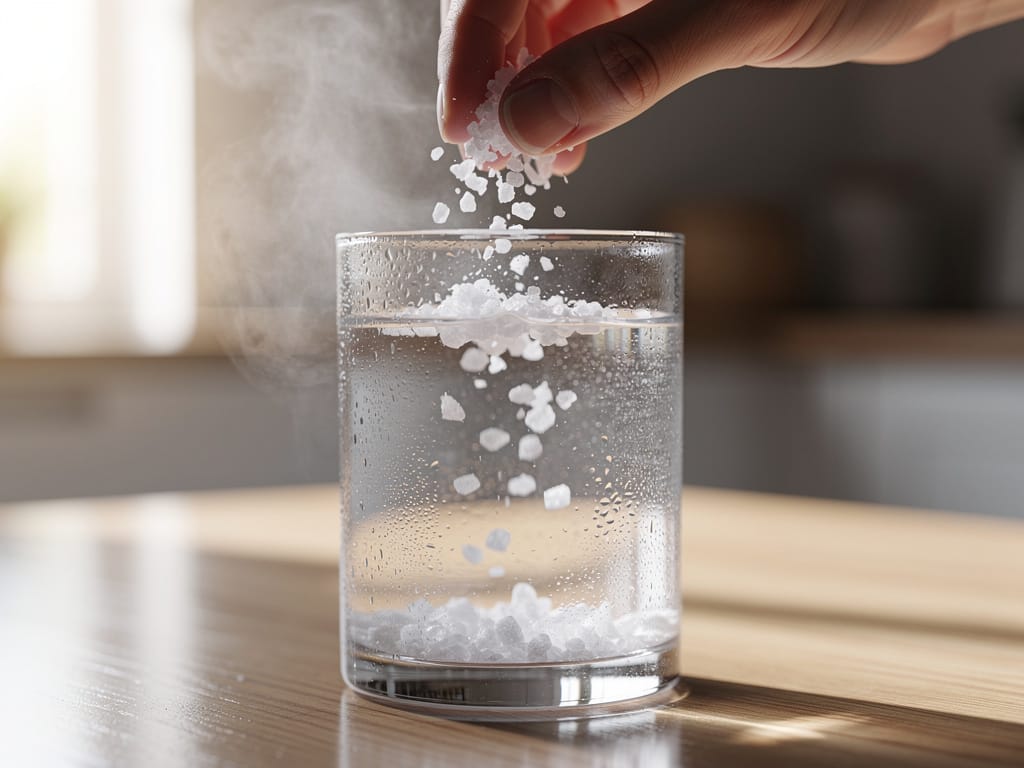
Here's the truth: for many workouts, a simple pinch of salt in your water can work wonders. It's cheap, it's accessible, and it directly replaces the number one thing you're losing.
When is Salt Probably Enough?
A little salt and water is often the perfect solution if:
- Your workout is under 60-75 minutes.
- You're not sweating buckets (like, your shirt isn't completely soaked).
- You're looking for a budget-friendly and straightforward option.
A tiny pinch of quality sea salt and maybe a squeeze of lemon or a teaspoon of honey (for a bit of sugar to help with absorption) is a fantastic DIY sports drink. Seriously, don't knock it 'til you try it.
What About Those Fancy Formulas?
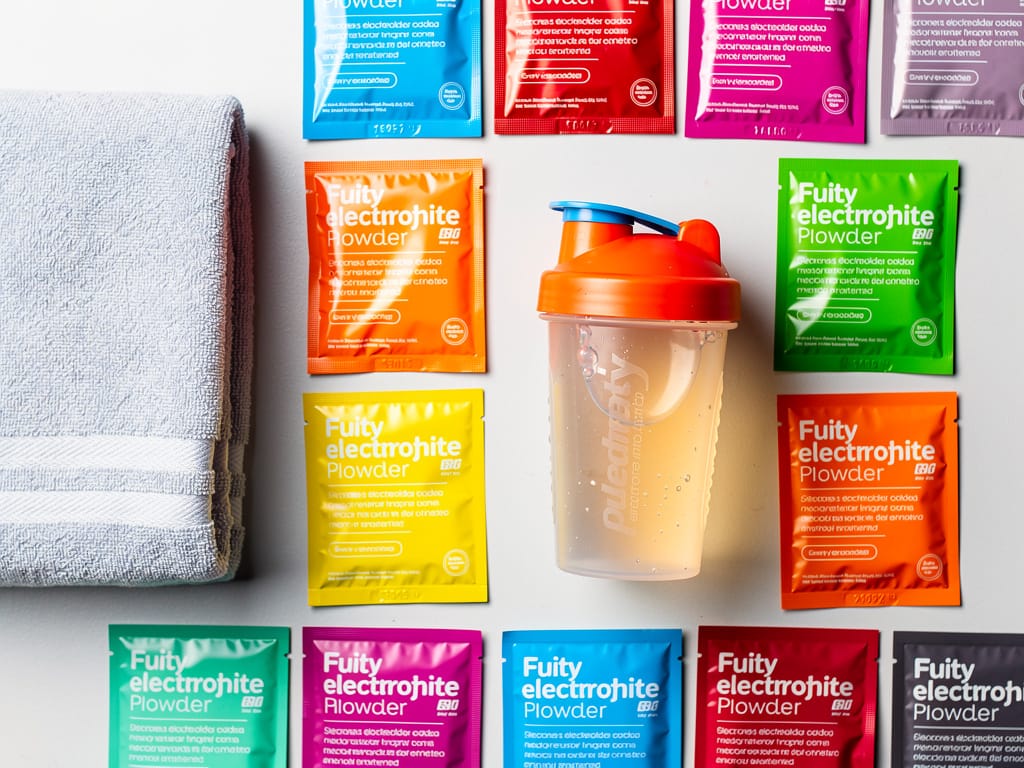
Now, I'm not here to bash the fancy powders. They absolutely have their place. It's not just marketing fluff.
These formulas are designed to provide a more complete profile of electrolytes. While sodium is the main one you lose, you also lose smaller amounts of potassium, magnesium, and calcium. For long or intense sessions, replacing these can be a game-changer for preventing cramps and helping with overall recovery.
But here's the kicker. The biggest benefits are often flavor and convenience. Let's be honest, salt water isn't exactly delicious. If a tasty fruit punch powder makes you drink more fluids than you would otherwise, that's a massive win.
When Do Formulas Make Sense?
You might want to grab a pre-made formula if:
- You're training for 90 minutes or more.
- It's super hot and humid out.
- You're a 'salty sweater' (you can literally see white, crusty stains on your dark clothes after they dry).
- You just can't stand the taste of salt water and want something you'll actually enjoy drinking.
The Final Verdict: It's All About You
So, who wins the great debate? The answer is... you do.
There is no single 'best' electrolyte source. The right choice depends entirely on your workout intensity, duration, how much you sweat, and your personal preference.
My advice? Experiment! For your regular gym sessions, try a pinch of salt and see how you feel. You might be shocked at how effective it is. For that long weekend run or a grueling HIIT class in the summer, maybe have a fancy formula on hand.
Stop letting the marketing gurus make you feel like you're doing it wrong. Listen to your body, understand the basics, and do what works for your performance and your wallet. You've got this.