Why Cheap Protein Powder Passes the Label Test

You've been there, right? Standing in the supplement aisle, staring at two massive tubs of whey protein. One costs a small fortune. The other is a bargain that seems too good to be true. You pick them both up, scan the labels, and... they look almost identical. Same grams of protein per scoop. Same impressive promises.
So, what's the deal? How can that super-cheap powder possibly match the premium stuff, gram for gram, right there on the nutrition panel?
Well, let's grab a coffee and talk about it. Because there’s a little bit of lab-coat trickery going on, and once you see it, you can't unsee it.
What the Label Tells You (And What It Hides)
Here's the truth: the standard test used to measure protein content in food and supplements doesn't actually measure protein. Not directly, anyway.
It measures nitrogen.
The classic method, called the Kjeldahl method, works on a simple assumption: proteins are rich in nitrogen. So, the lab measures the total nitrogen in a sample, does a quick calculation, and slaps a 'protein' number on the label. For the most part, this works just fine.
But what if a company wanted to cut corners? What if they could find something that was packed with nitrogen but way, way cheaper than high-quality whey protein?
You see where this is going.

The Big Secret: Welcome to 'Amino Spiking'
This little trick is called amino spiking, or nitrogen spiking. And it's the number one reason a cheap protein powder can boast a label that rivals the expensive brands.
Here's how it works.
A company will start with a base of actual whey protein, but not as much as they claim. To make up the difference and fool the nitrogen test, they 'spike' the formula with cheap, non-essential amino acids. Things like glycine and taurine are popular choices because they're dirt cheap and loaded with nitrogen.
So, when the lab tests the powder, the nitrogen levels come back high, and voilà! The powder 'passes' the test with a high protein reading. The label can now legally say '25 grams of protein per serving', even if a good chunk of that isn't the complete, muscle-building protein you're paying for.
Think of it this way: You ordered a gourmet burger, but the chef mixed a bunch of breadcrumbs into the patty to save money on beef. It still looks like a big burger, but it's not giving you the good stuff you actually wanted.
You're being sold a product that's been diluted with fillers. It's not about the fancy amino acids-it's about the company's bottom line.
Your Detective Kit: How to Spot a Spiked Protein
Okay, so how do you protect your wallet and your gains? You don't need a chemistry degree, I promise. You just need to know the red flags.
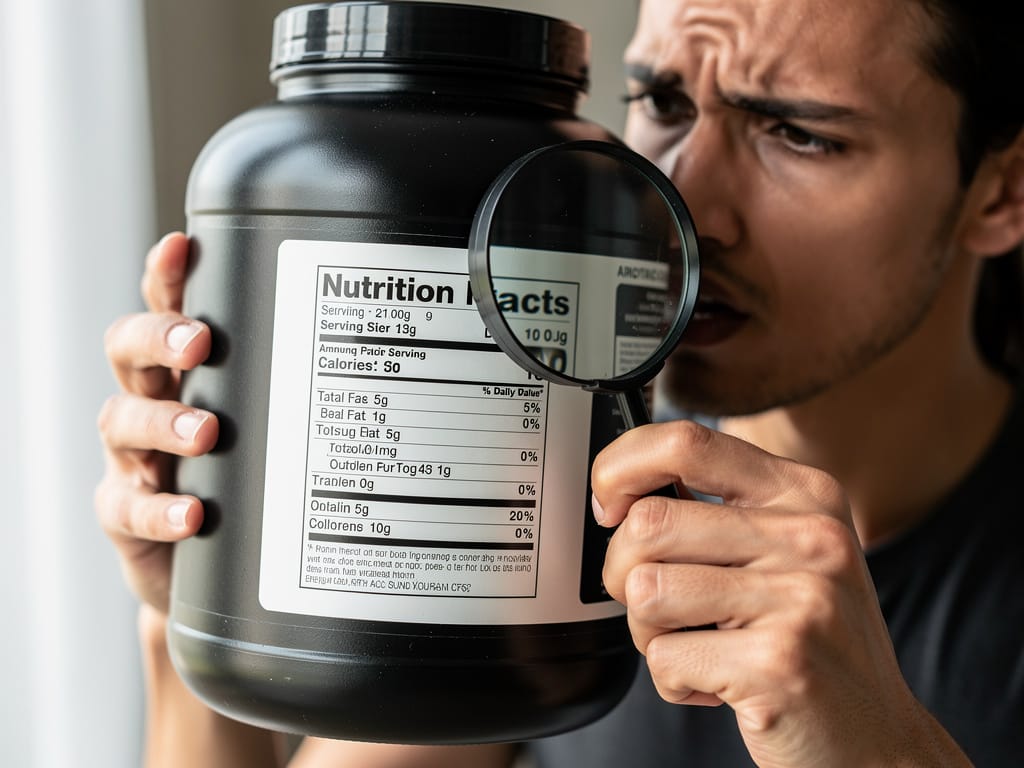
Here's what to look for:
- 'Proprietary Blends': If you see a 'proprietary matrix' or 'amino acid blend' without specific amounts listed, put the tub down and walk away. This is a classic way to hide the fact that the formula is loaded with cheap fillers instead of whole protein.
- Unusually High Glycine or Taurine: Some reputable brands list their full amino acid profile (a great sign!). If you see that the amounts of glycine, taurine, or even glutamine are sky-high-sometimes even higher than the key muscle-building aminos like leucine-that's a huge warning sign.
- The Price Is Just Too Good: I know, everyone loves a bargain. But quality whey concentrate, and especially whey isolate, is an expensive ingredient to produce. If a 5-pound tub is priced dramatically lower than every competitor, you have to ask yourself where they cut the costs.
- Creatine in the Mix: Now, creatine is a fantastic supplement. I'm a huge fan of it. But it's also rich in nitrogen. Some companies add a few grams of creatine to their protein powder to inflate the nitrogen score. You should buy your creatine separately so you know exactly how much you're getting and it's not being used to fudge your protein numbers.
A Quick Note on 'Clean' Labels
A good, honest protein powder will have a very short ingredient list. It should look something like: Whey Protein Isolate, Natural Flavors, Sunflower Lecithin, Salt, Sucralose. That's it. When you start seeing a long list of individual amino acids, it's time to get suspicious.
So, What's the Real Harm?
You might be thinking, 'Okay, so it's not perfect, but it's still protein, right?'
Kind of. But you aren't getting what you paid for. The whole point of drinking a protein shake is to get a potent dose of complete protein, rich in Branched-Chain Amino Acids (BCAAs), to fuel muscle repair and growth.
When a product is amino-spiked, you might think you're getting 25 grams of high-quality whey, but in reality, you could be getting just 15 grams of actual whey and 10 grams of cheap, less effective filler aminos. Over time, that deficit adds up. You're short-changing your recovery, your muscle growth, and your wallet.
The Bottom Line
Look, this isn't about shaming anyone for buying budget supplements. It's about being an informed consumer. It's about making sure your hard-earned money is actually buying the results you're working so hard for in the gym.
The label doesn't always tell the full story. But now you know how to read between the lines.
Check for those red flags, invest in brands that are transparent about their formulas, and remember that when it comes to your health and performance, quality is always a better bargain than a cheap price tag.