Your DNA's Supplement Veto

The Frustrating Plateau
You follow the plan. You lift with intensity, track your macros, and get your sleep. You've also invested in a shelf of well-researched supplements, but the results just aren't matching the effort. Sound familiar?
It’s a common story in the fitness world. When progress stalls, we tend to blame our training split or our protein intake. But the real reason might be far more personal, coded directly into your biology.
Here's the truth: Your DNA gets the final vote on which supplements work for you.
The Genetic Gatekeeper
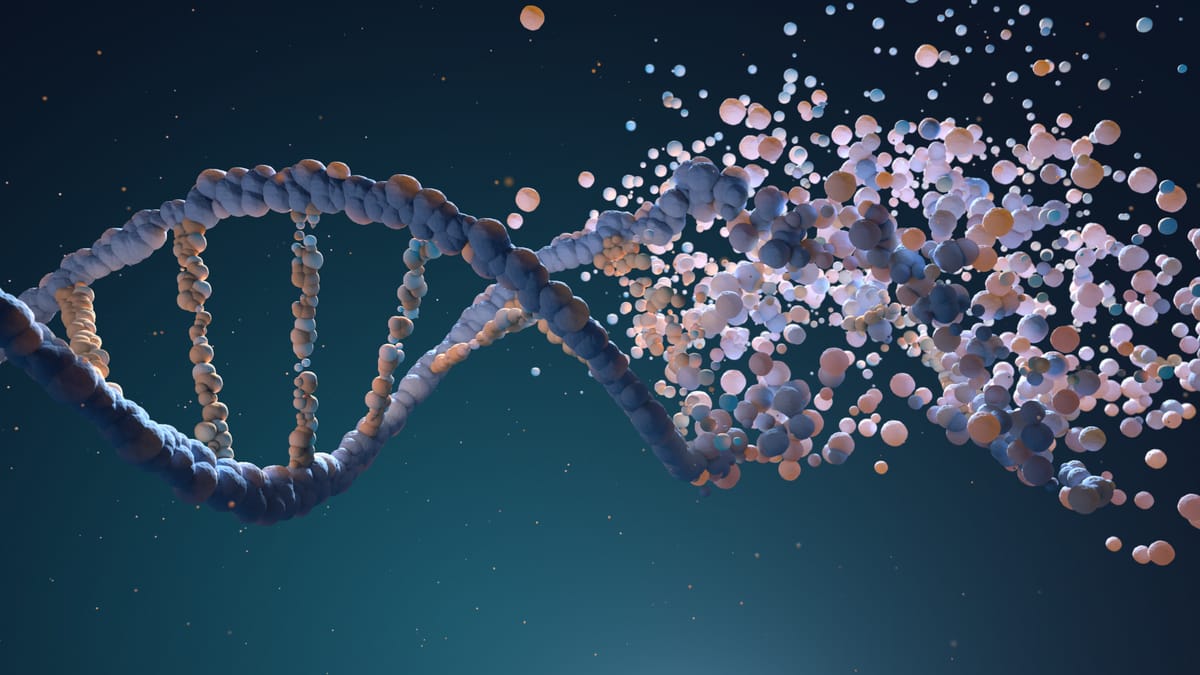
The field that explores this is called nutrigenomics. It's the study of how your unique genetic makeup interacts with the food and nutrients you consume. It sounds complex, but the concept is simple.
Think of your DNA as the master blueprint for a high-performance engine. Supplements are the premium fuels and additives. If the blueprint doesn't have the right specs to use a certain additive, pouring it into the tank won't make the engine run better. In some cases, it might even make it run worse.
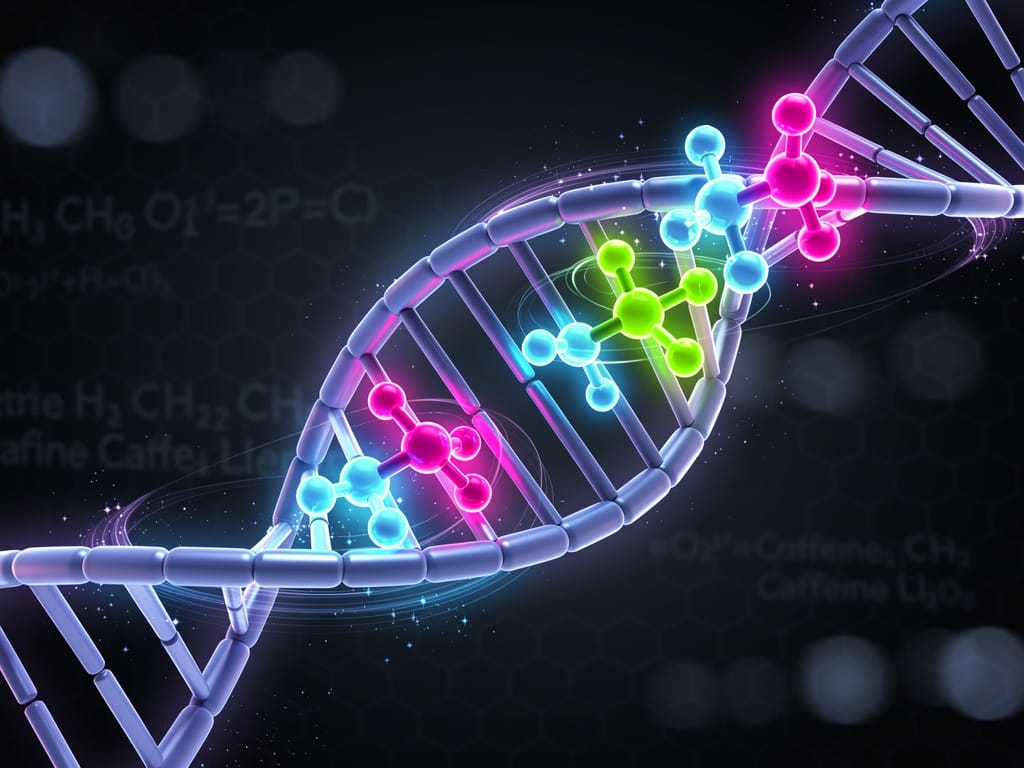
These genetic 'specs' are tiny variations called polymorphisms. They dictate everything from how you metabolize caffeine to how your cells absorb vitamins.
Case Studies: When Genes Say 'No'
This isn't just theory. We see it play out with some of the most popular supplements on the market.
Caffeine: The Fast vs. Slow Burn
Ever wonder why your gym partner can slam a pre-workout and hit personal records, while the same dose makes you jittery and unfocused? Thank the CYP1A2 gene.
This gene controls the primary enzyme that breaks down caffeine. A small variation determines if you are a 'fast' or 'slow' metabolizer. Fast metabolizers clear caffeine from their system efficiently, getting the desired performance boost. Slow metabolizers don't. For them, caffeine lingers, potentially increasing anxiety and even raising blood pressure without a significant performance benefit.
For a slow metabolizer, a high-dose pre-workout isn't an advantage-it's a liability.
Vitamin D: The Absorption Problem
You know you need Vitamin D for bone health and immune function. You supplement dutifully, especially in the winter. But your levels might still be low.
The VDR (Vitamin D Receptor) gene is the culprit. Variations in this gene can impact how effectively your cells can bind to and use the Vitamin D available in your bloodstream. Two people can take the exact same dose, but one will see a much greater benefit because their receptors are simply more efficient.
Creatine: The Responder Question
Creatine is one of the most proven performance supplements in existence. But for an estimated 20-30% of people, it does very little. These are the 'non-responders'.
While the science is still solidifying, evidence points toward genetics. Factors like your baseline muscle creatine levels and the efficiency of creatine transporter proteins (governed by genes like SLC6A8) play a huge role. If your muscles are already naturally saturated with creatine, adding more won't do much. Your DNA, in effect, vetoes the supplement.

So, What Can You Do?
Understanding that your genetics are in the driver's seat is the first step. The next is moving from a generic approach to a personalized one.
This is where genetic testing comes in. A simple saliva test can analyze key genes related to nutrient metabolism and provide a detailed report. It isn't a magic bullet, but it's a powerful tool that offers a look under the hood. It helps replace guesswork with data.
Instead of throwing everything at the wall to see what sticks, you can start making targeted choices based on your own biological blueprint.
Putting Your Genetic Code to Work
Information is only useful when you act on it. Here’s a logical path forward.
- Listen to Your Body. This is your primary feedback mechanism. If a supplement consistently makes you feel off, stop taking it. Your body is often telling you what a genetic test would later confirm.
- Consider Targeted Testing. If you're serious about optimizing performance, a nutrigenomic test is a sound investment. It provides objective data to guide your supplement, nutrition, and even training choices.
- Consult a Professional. A raw genetic report can be overwhelming. Work with a qualified nutritionist or doctor who understands this science. They can help you translate the data into a practical, effective action plan.
The era of blindly scooping powders and hoping for the best is ending. The future of peak performance is personal, and it starts with your DNA.